Have you ever heard a doctor talk about high blood pressure? Maybe they called it hypertension. It sounds serious, and it can be, but let’s break down what it means in simple terms.
Think of your blood moving through tubes in your body called blood vessels, like water through a hose. Blood pressure is the force of that blood pushing against the walls of those vessels. When that force is too strong, for too long, it’s called high blood pressure.
Why should you care about having high blood pressure? Well, imagine that hose again. If the water pressure is always too high, it can eventually damage the hose.
In your body, constant high pressure can hurt your blood vessels. Over time, this damage can lead to bigger problems, like heart trouble, strokes (which affect the brain), or issues with your kidneys. The tricky part is, you might not even feel sick if you have high blood pressure, which is why it’s sometimes called a “silent killer”.
The good news is, you have power to help manage it! You don’t always need medicine right away. Making some simple changes to how you live can make a big difference in achieving better blood pressure control.
There are many natural ways to lower blood pressure, and they often make you feel healthier overall. Ready to learn how? Let’s explore 10 easy steps you can take, starting today, to help lower blood pressure and protect your health.
1. Get Moving: How Exercise Helps Your Heart
One of the best easy ways to decrease blood pressure is simply to move your body more! Regular physical activity acts like a workout for your heart. When your heart is stronger, it doesn’t have to work as hard to pump blood around your body. This means less pressure pushing on your blood vessel walls, which helps lower blood pressure.
Getting active is also a great way to help manage your weight. Carrying extra pounds can make your heart work harder, so staying active helps on two fronts! You don’t need to become a super athlete. Simple activities count. Think about taking a brisk walk each day, going for a swim, or even just putting on some music and dancing around your living room. These are all great exercises to lower blood pressure.
Experts suggest aiming for about 150 minutes of this kind of moderate activity each week. That might sound like a lot, but you can break it up! Maybe try a 30-minute walk five days a week. Find activities you enjoy, and it will feel less like a chore and more like fun.
2. Smart Eating: Shake the Salt, Pick Potassium
What you eat plays a huge role in your blood pressure. One big thing to watch is salt, also known as sodium. Most of us eat way more salt than we need, often without realizing it because it’s hidden in processed foods like canned soups, frozen meals, and snacks, as well as restaurant meals.
Too much sodium makes your body hold onto extra water, which can increase your blood pressure. Learning how reducing salt lowers blood pressure is key.
So, how can you cut back? Start by reading food labels and choosing options that say “low sodium.” Try cooking more fresh meals at home where you control the ingredients. Instead of reaching for the salt shaker, experiment with herbs, spices, garlic, or lemon juice to add flavor. Even small changes can help!
While you’re cutting back on salt, try adding more potassium to your diet. Potassium is a mineral that helps your body get rid of sodium and also helps relax your blood vessel walls.
Think of it as sodium’s helpful opposite! You can find plenty of potassium rich foods for high blood pressure. Some easy ones to add to your meals include bananas, oranges, melons, spinach, broccoli, potatoes, sweet potatoes, tomatoes, and low-fat yogurt. Eating more of these foods that help lower blood pressure gives your body the balance it needs.
3. Lighten Up: Why Losing Extra Weight Matters
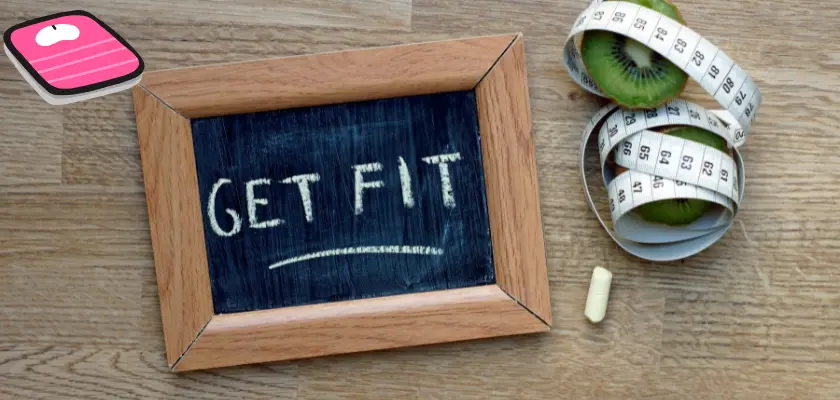
Carrying extra weight means your heart has to pump harder to send blood all around your body. This extra effort can lead to higher blood pressure over time. The good news is that weight loss and blood pressure reduction often go hand-in-hand.
You don’t necessarily need to lose a huge amount of weight to see benefits. Research shows that losing even a small amount, like 5 or 10 pounds, can make a real difference in lowering your blood pressure. Think of it as giving your heart a bit of a break!
Of course, losing weight often involves the healthy habits we’ve already talked about, like getting regular exercise and eating a balanced diet low in salt and rich in potassium. It’s all connected to helping your body work more efficiently and keeping that pressure in your blood vessels at a healthy level.
4. Fuel Your Body Right: A Heart-Healthy Diet
Beyond just salt and potassium, your overall eating pattern makes a difference. Following a healthy diet plan for hypertension often means focusing on whole, natural foods. Think lots of colorful fruits and vegetables, whole grains like oatmeal and brown rice, and lean proteins like chicken or fish.
It also means cutting back on things that aren’t so great for your heart or blood pressure. Try to limit sugary drinks like soda and juice, as well as snacks and desserts packed with added sugar. Refined carbohydrates, like those in white bread or pastries, can also be problematic, as your body turns them into sugar quickly. Choosing whole grains instead gives you more fiber and nutrients.
Some specific foods that help lower blood pressure might give you an extra boost. Berries, for example, are packed with natural compounds called polyphenols that are good for your heart.
Even small amounts of dark chocolate (the kind with high cocoa content, not sugary milk chocolate) contain compounds that can help relax blood vessels. Focusing on a diet rich in fresh, unprocessed foods is a powerful step towards better blood pressure.
5. Rethink Your Drink: Limiting Alcohol
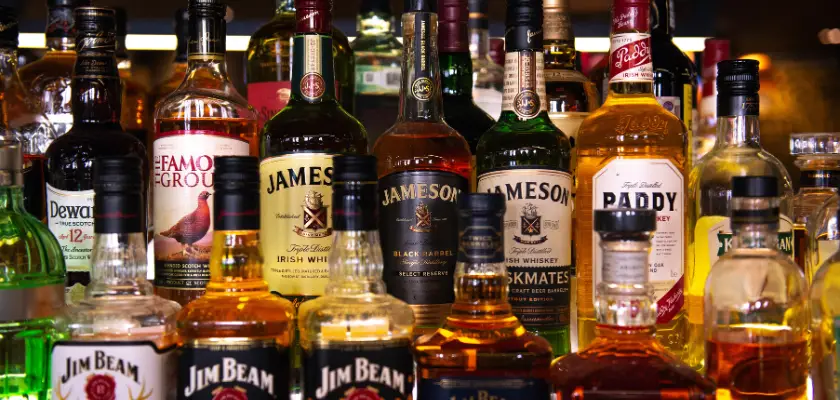
While you might hear that a little bit of alcohol, like a glass of red wine, could be okay for the heart, drinking too much definitely isn’t good for your blood pressure.
In fact, drinking a lot of alcohol at once can cause a sudden jump in your blood pressure. Over time, regular heavy drinking can lead to long-term high blood pressure.
Experts suggest limiting alcohol to reduce blood pressure. What does “limiting” mean? For women, it generally means no more than one drink per day. For men, it’s no more than two drinks per day. What counts as one drink? Think of it as one regular beer (12 ounces), one small glass of wine (4-5 ounces), or one shot of liquor (1.5 ounces).
Besides directly affecting blood pressure, alcohol can also add extra calories and sugar to your diet, which can lead to weight gain – another factor that raises blood pressure.
Plus, alcohol can sometimes interfere with blood pressure medications, making them less effective. Cutting back on alcohol is one of the important natural ways to lower blood pressure if you currently drink more than the recommended amounts.
6. Put Down the Cigarettes: Quitting Smoking Helps
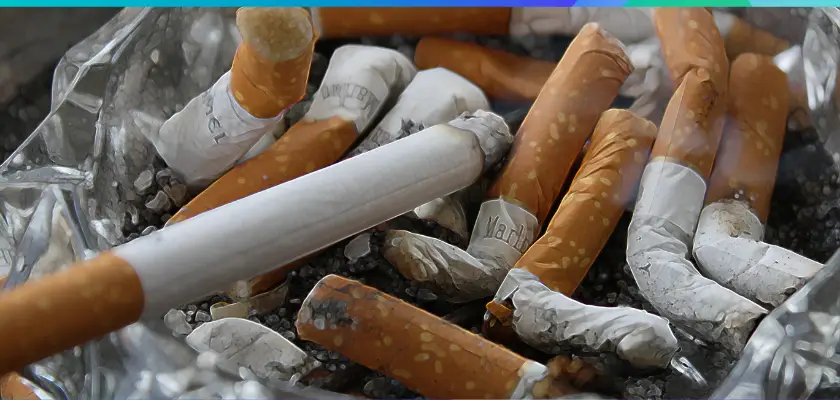
If you smoke, quitting is one of the most important lifestyle changes for high blood pressure and overall heart health you can make.
Every time you puff on a cigarette, it causes a temporary spike in your blood pressure. More importantly, the chemicals in tobacco smoke damage the lining of your blood vessels over time.
While the direct link showing does quitting smoking lower blood pressure immediately is debated by some researchers, there’s no question that smoking is a major risk factor for heart attacks, strokes, and other serious problems.
Since both smoking and high blood pressure increase your risk for heart disease, quitting smoking is a powerful way to help protect your heart and blood vessels in the long run.
7. Chill Out: Managing Stress for Lower BP
Life can be stressful! Whether it’s work deadlines, traffic jams, or family worries, stress is a normal part of life.
When you feel stressed, your body releases hormones that make your heart beat faster and your blood vessels tighten up.
This causes a temporary rise in blood pressure. That’s okay now and then, but if you’re stressed out all the time (called chronic stress), your blood pressure can stay high, which isn’t healthy.
Learning how to manage stress for better blood pressure is important. Stress can also lead to unhealthy habits like eating junk food, drinking too much alcohol, or smoking, which make blood pressure worse. Finding healthy ways to cope is key.
Try taking just a few minutes each day for deep breathing exercises – simply breathe in slowly, hold for a moment, and breathe out slowly. Practicing meditation, even for 5-10 minutes, can also help calm your mind.
Make time for activities you enjoy, whether it’s listening to music, spending time in nature, or talking with friends. Finding ways to relax and de-stress are simple steps to control high blood pressure.
8. Calcium Power: Include Calcium-Rich Foods
You probably know calcium is important for strong bones, but did you know it might also play a role in healthy blood pressure? While taking calcium pills hasn’t been clearly proven to lower blood pressure, diets that include plenty of calcium-rich foods that help lower blood pressure seem to be linked to better numbers.
Getting enough calcium is part of an overall healthy diet plan for hypertension. Good sources include low-fat dairy products like milk and yogurt. If you don’t eat dairy, you can also find calcium in leafy green vegetables (like kale or collard greens), beans, and tofu. Including these foods helps ensure you’re getting the calcium your body needs.
9. Mighty Magnesium: Don’t Forget This Mineral
Magnesium is another important mineral involved in many body processes, including helping to regulate blood pressure. One way it works is by helping your blood vessels relax. While not getting enough magnesium is rare, making sure you get enough in your diet is one of the natural ways to lower blood pressure.
Good foods that help lower blood pressure by providing magnesium include green leafy vegetables, whole grains, beans, nuts, seeds, and even dairy products and chicken. Eating a variety of these healthy foods usually provides all the magnesium you need.
10. Caffeine Check: Know Your Limits
Many people start their day with coffee or tea. These drinks contain caffeine, which can give you a temporary energy boost.
You might notice that caffeine can also cause a short-term spike in your blood pressure shortly after you drink it. However, the research isn’t totally clear on whether drinking caffeine regularly leads to long-term high blood pressure for most people.
Some individuals are more sensitive to caffeine than others. Pay attention to how you feel after having coffee, tea, soda, or energy drinks.
If you suspect caffeine might be affecting your blood pressure control, you could try cutting back to see if it helps lower blood pressure. Talk to your doctor if you have concerns about caffeine and your blood pressure.
Putting It All Together: Small Changes, Big Impact
Taking steps to lower blood pressure naturally doesn’t have to be overwhelming. As you can see, many of these lifestyle changes for high blood pressure are connected.
Eating better often helps with weight loss, and managing stress can make it easier to avoid unhealthy habits like smoking or overeating.
Remember, consistency is key. You don’t have to change everything overnight. Start with one or two changes that feel manageable for you. Maybe it’s taking a short walk each day or cutting back on salty snacks. Small steps add up over time and can make a real difference in your blood pressure control.
It’s always a good idea to talk with your doctor about your blood pressure. They can help you understand your numbers and create a plan that’s right for you.
This is especially important if you’re thinking about making big changes or if you’re already taking medication for high blood pressure.
Keep track of your blood pressure readings, celebrate your successes, and know that you’re taking positive steps for a healthier future!
References:
- Johns Hopkins Medicine: https://www.hopkinsmedicine.org/health/conditions-and-diseases/high-blood-pressure-hypertension/natural-ways-to-lower-blood-pressure
- Medical News Today: https://www.medicalnewstoday.com/articles/318716
- Mayo Clinic: https://www.mayoclinic.org/diseases-conditions/high-blood-pressure/in-depth/high-blood-pressure/art-20045206
- Penn Medicine: https://www.pennmedicine.org/updates/blogs/health-and-wellness/2020/january/lower-blood-pressur

My name is Phyllis Robinson MSN, RN. I have been a Registered Nurse for 27 years in the Cardiac Intensive Care Unit. I am passionate about cardiac care and heart disease. I also want this blog to be an educational tool that people can refer to for traditional and alternative treatment. I will blog on heart disorders such as high blood pressure, congestive heart failure, cardiomyopathy, and high cholesterol.
I received my Nursing degree from Baltimore Community College.
I went on to receive my Masters in Nursing from Walden University
I have worked for almost 30 years in Critical Care with a focus on heart health. I am an advocate of preventive healthcare.